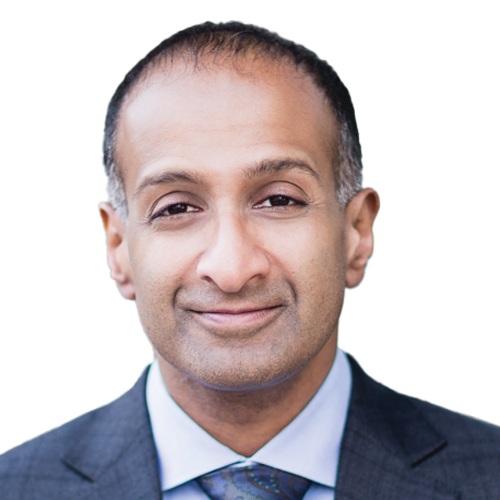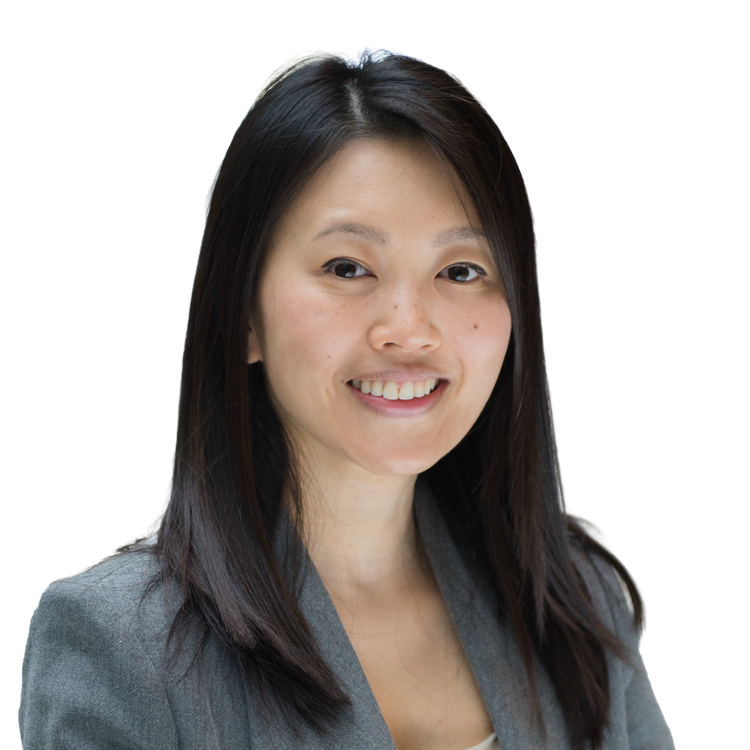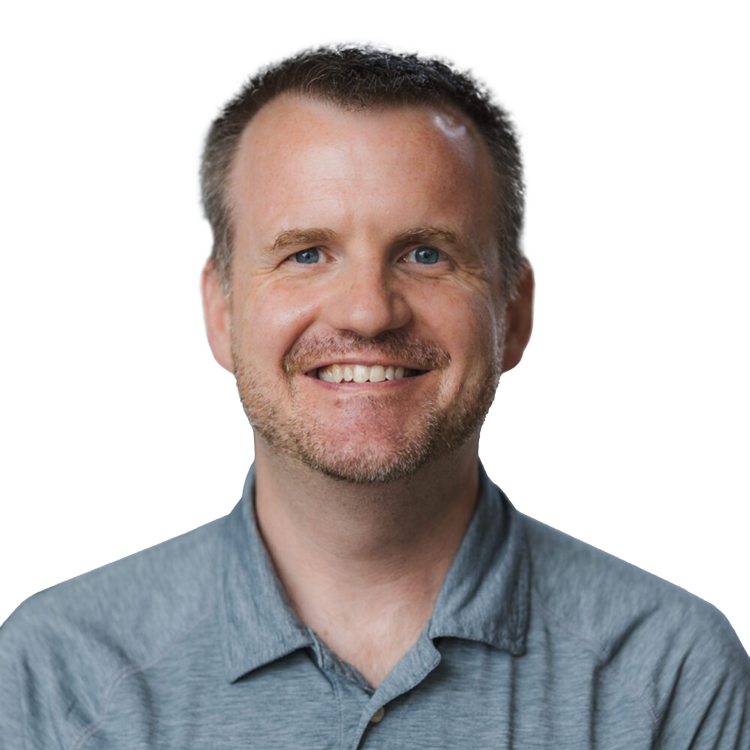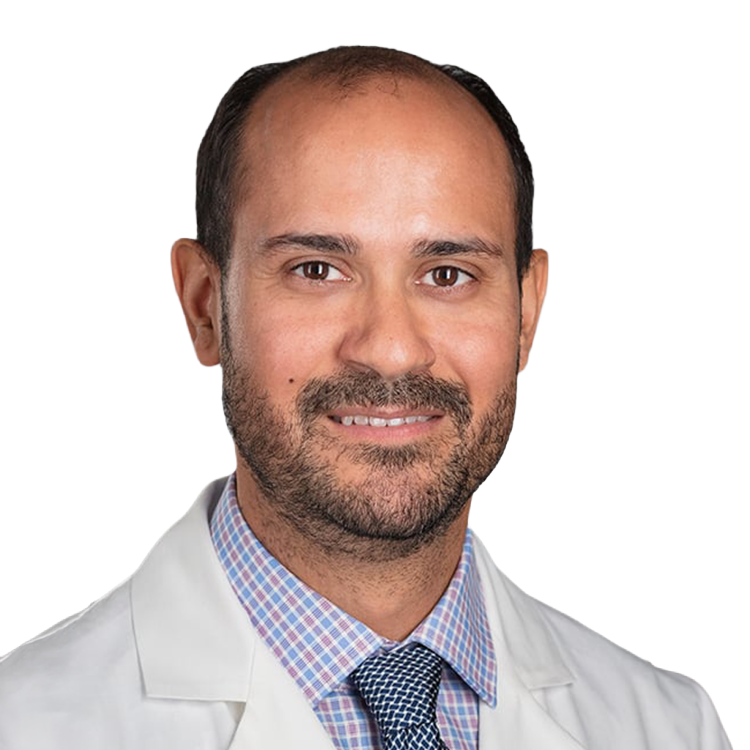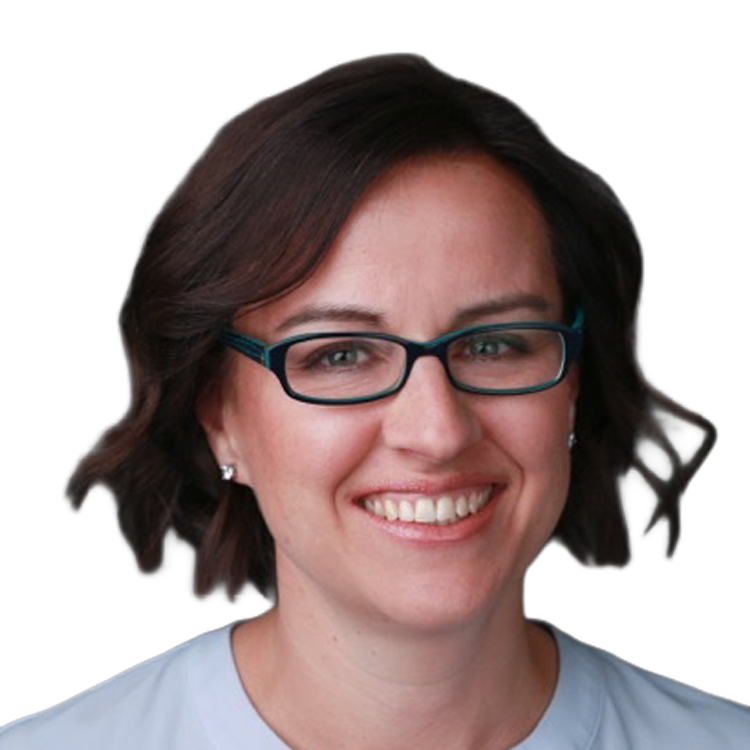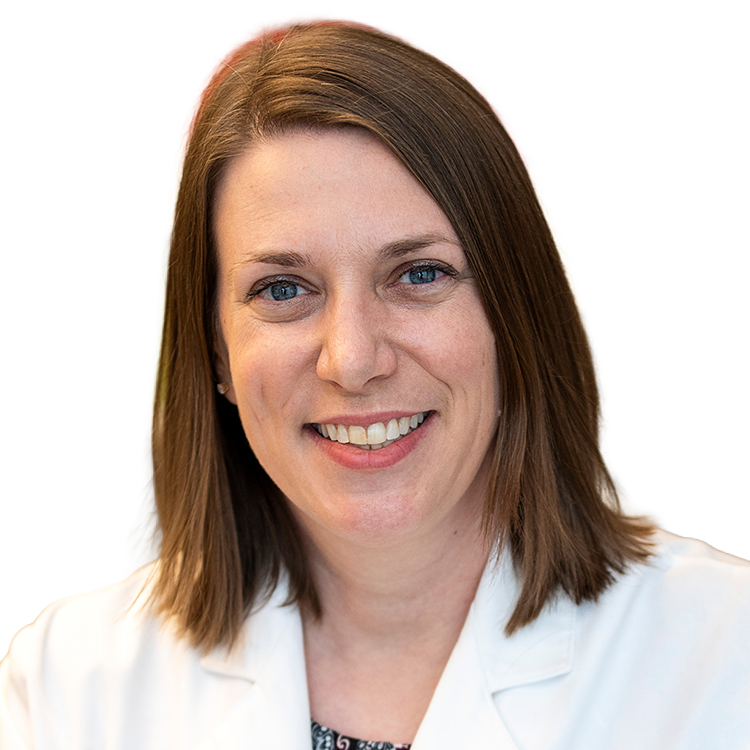
The 2026 CHT Toronto Lymphoproliferative Conference is an educational forum designed to inform and update Canadian hematologists on the latest advancements in treatment and management of lymphoproliferative disease.
Conference Objectives:

MD, PhD, FRCPC

MD, FRCPC

MD, PhD

MD, FRCPC

MD, MPH, PhD

MD

MD, MPH

MD, MSHP

MD, FRCPC

MD
8:30 AM – 8:45 AM
Welcome & Opening Remarks
Speaker: Dr. Peter Anglin
8:45 AM – 9:15 AM
Sponsored Breakfast Symposium
Sponsor: Eli Lilly Canada
9:15 AM – 10:00 AM
Evolving Clinical Applications of Genomics in DLBCL
Speaker: Dr. Mark Roschewski, Dr. Robert Kridel
Moderator: Dr. John Kuruvilla
10:00 AM – 10:45 AM
CLL: Optimal Sequencing in 2026
Speaker: Dr. Jennifer Woyach, Dr. Chris Hillis
Moderator: Dr. Peter Anglin
10:45 AM – 11:05 AM
Networking Break
11:05 AM – 11:50 AM
DLBCL: Primary Treatment and Relapse
Speaker: Dr. Michael Jain, Dr. Inna Gong
Moderator: Dr. John Kuruvilla
11:50 PM – 01:05 PM
Lunch
1:05 PM – 1:50 PM
MM: Primary Treatment and Relapse
Speaker: Dr. Julie Stakiw
Moderator: Dr. Peter Anglin
1:50 PM – 2:35 PM
MCL: Evolving Approaches to Treatment in 2026
Speaker: Dr. Nirav Shah, Dr. Mary-Margaret Keating
Moderator: Dr. John Kuruvilla
2:35 PM – 2:55 PM
Networking Break
2:55 PM – 3:40 PM
Follicular Lymphoma: What’s New in 2026
Speaker: Dr. Laurie Sehn
Moderator: Dr. Peter Anglin
3:40 PM – 3:55 PM
Closing Remarks, Evaluation & Adjournment
Speaker: Dr. John Kuruvilla
4:00 PM – 6:00 PM
Location: Knightsbridge Room
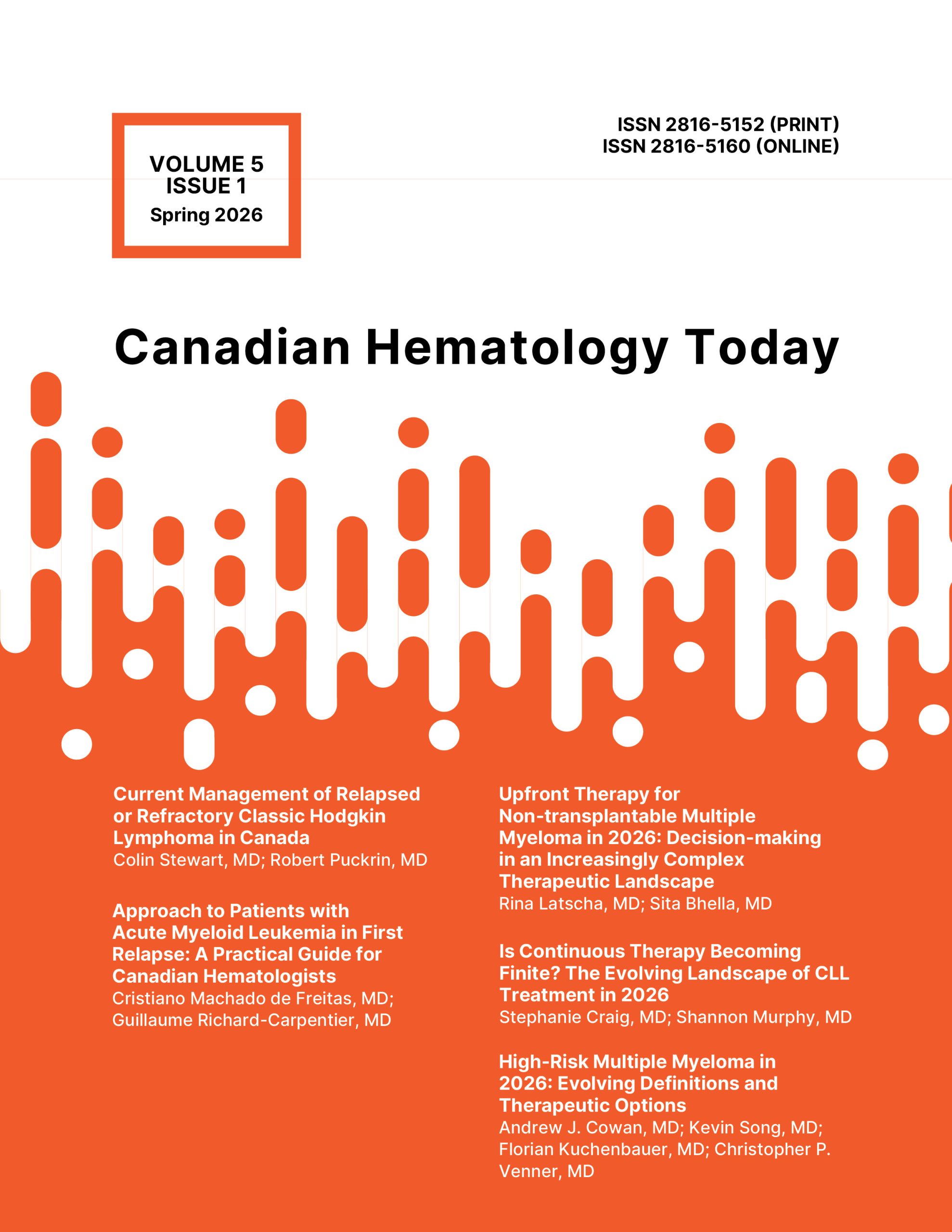
Canadian Hematology Today provides a forum for the clinical community to share real-world experience and the latest best practices in the treatment and management of hematologic disease.
The journal is published thrice-yearly in English and is circulated to over 1,100 hematology clinicians and researchers across Canada. It features peer-reviewed articles that present robust clinical perspectives and practical insights into disease management.
Founded in 2009, Catalytic Health is one of Canada’s largest medical education agencies, the largest independent medical publisher in the country, and an industry leader in innovative events and services for the life sciences industry, reaching over 50,000 Canadian clinicians per year with its educational programs, services and platforms.
© 2026 All Rights Reserved.
Dr. Peter Anglin’s clinical focus remains in haematologic and in particular lymphoid malignancies. He also has an interest in health systems delivery, process redesign in the ambulatory setting, and optimizing drug access for oncology patients. He was physician lead of the Southake Health Cancer Program from 2012 to 2025. He continues to serve in an advisory capacity to a number of pharmaceutical and health-related organizations. He remains the medical director of CarePath, a cancer navigation and support service supporting Cancer Care Ontario and Ontario cancer patients.
Dr. John Kuruvilla is a Professor of Medicine at the University of Toronto and a hematologist in the Division of Medical Oncology and Hematology at the Princess Margaret Cancer Centre in Toronto. He is a member of the Lymphoma, Autologous Transplant and Immune Effector Cell Therapy programs.
Dr. Kuruvilla’s research interest is the development of novel therapeutics in lymphoid malignancies and incorporating translational research into clinical trials. He is the Lymphoma Co-Chair for the Canadian Cancer Trials Group (CCTG) as well as the Chair of the Scientific Advisory Board of Lymphoma Canada.
Dr. Inna Gong is a Lymphoma fellow completing a combined clinical and post-doctoral fellowship focused on advanced therapies for lymphoid malignancies at Princess Margaret Hospital. She is enrolled in the Eliot Philipson Clinician Scientist Training Program and Clinical Investigator Program at University of Toronto.
She has earned a PhD in Clinical Pharmacology from Western University and an MD from the University of Toronto, followed by recent completion of her Royal College certification in Internal Medicine and Hematology. Her research focuses on delineating immuno-metabolomic variation among patients with lymphoid malignancies, as well as identifying new immune-based biomarkers for predicting therapeutic outcomes.
Dr. Chris Hillis is a malignant hematologist at the Juravinski Cancer Centre, Associate Professor at McMaster University, and Vice President of Oncology at Hamilton Health Sciences.
He completed an MSc in Quality Improvement and Patient Safety and trained as a Quality Scholar with the U.S. Department of Veterans Affairs, grounding his leadership approach in evidence-based improvement science.
Clinically, Dr. Hillis specializes in CLL and MPNs and leads a CIHR-funded research program focused on patient-relevant trial outcomes.
He is President of the Canadian Hematology Society and a national leader in cancer care quality and system redesign.
Dr. Michael Jain is an Associate Member and ICE-T Medical Director in the Moffitt Cancer Center Department of Blood and Marrow Transplant and Cellular Immunotherapy. Dr. Jain earned his MD and PhD at McGill University in Montréal, in the province of Québec, Canada. His PhD in Cell Biology was completed under the supervision of Dr. John Bergeron. Dr Jain completed an Internal Medicine Residency and a Hematology Residency at the University of Toronto. He completed a Clinician Scientist Training Program and Clinical Fellowship in Lymphoma and Autologous Stem Cell Transplantation at Princess Margaret Cancer Center, University of Toronto. Dr. Jain’s clinical interests focus on treatment modalities for relapsed lymphoma, particularly stem cell transplantation and cellular and immunotherapies. His research interests include translational research in lymphoma and early-phase clinical trials.
Dr. Mary-Margaret Keating is a hematologist and assistant professor of medicine, in the Division of Hematology at the QEII Health Science Center in Halifax, Nova Scotia. She has a clinical focus in lymphoma and is involved in selecting and overseeing clinical trials for this disease area.
She earned a master’s in medical education from Acadia University and has a passion for teaching medical students, residents and patients. She is the program director for the hematology residency training program and the unit head for the skilled clinician course at Dalhousie Medical School.
Dr. Kridel has been a faculty member at the University of Toronto, a Staff Physician in the Lymphoma/Myeloma Site Group at the Princess Margaret Cancer Centre, and a Clinician-Scientist at the Princess Margaret Research Institute since 2017.
His research focuses on overcoming treatment resistance in mature lymphoid malignancies through insights from functional genomic screens and integrative genomic profiling of large patient cohorts. He has a strong interest in uncovering the molecular heterogeneity of follicular lymphoma and, more recently, in identifying novel biomarkers through genetic and epigenetic profiling of liquid biopsies. His research has been recognized and is supported by several awards, including a Terry Fox New Investigator Award and a Canadian Cancer Society Emerging Scholar Award.
Mark Roschewski M.D is a clinician scientist who is currently an Attending Physician at Memorial Sloan Kettering Cancer in New York City. He began his career at Walter Reed Army Medical Center as an active-duty physician in the Army. After completing 12 years of active-duty Army service time, he transferred to the U.S. Public Health Service and joined the faculty at the NCI until 2025. He retired from the USPHS as a CAPT in 2023.
Dr. Roschewski earned his B.A. degrees at University of Notre Dame and received his medical degree from the University of Nebraska Medical Center in Omaha, NE. He completed both internship and residency in internal medicine at Eisenhower Army Medical Center in Augusta, GA and hematology-oncology fellowship in medical oncology at the Walter Reed Army Medical Center in Washington, DC.
The primary goal of his research team is to translate novel findings from the molecular biology of lymphoma into innovative therapies for lymphomas such as large B-cell lymphoma (LBCL), Burkitt’s lymphoma, follicular lymphoma, mantle cell lymphoma, EBV-associated lymphomas, and CNS lymphomas. He pioneered studies to develop highly effective therapy for subtypes of LBCL such as primary mediastinal B-cell lymphoma and Burkitt’s lymphoma. In addition, he conducted studied that demonstrated the effectiveness of targeted therapies including inhibitors of Bruton tyrosine kinase (Btk), ibrutinib in both primary and secondary CNS lymphomas, and recently he co-developed a multi-targeted regimen (ViPOR) for relapsed LBCL. His translational research interests include studying circulating tumor DNA (ctDNA) as a predictive and prognostic biomarker in LBCL and other lymphoma subtypes.
Dr. Roschewski is frequently invited to give presentations on his research to both national and international audiences, and he has published in high-impact scientific journals. He is often a reviewer for various scientific journals including New England Journal of Medicine, Blood, Cancer Cell, Nature, Lancet Oncology, and Journal of Clinical Oncology. He currently joined the editorial board of Blood in 2024.
In addition to his research activities, Dr. Roschewski is active in education and mentoring.
Dr. Laurie Sehn is a medical oncologist at the BC Cancer Centre for Lymphoid Cancer and Clinical Professor at the University of British Columbia in Vancouver. She has been a medical oncologist and clinical investigator at BC Cancer since 1998 and is currently the Chair of the Lymphoma Tumour Group.
Dr. Sehn graduated from McGill University Medical School and received her training in Internal Medicine at Columbia Presbyterian Medical Center, Columbia University, New York. She was trained in Hematology-Oncology at Brigham and Women’s Hospital and the Dana-Farber Cancer Institute, Harvard University, Boston, and received a Master of Public Health from the Harvard School of Public Health, Harvard University.
Prior to returning to Canada, she spent a year as faculty at the Dana-Farber Cancer Institute with the Bone Marrow Transplantation Service. Dr. Sehn’s research interests include population-based outcomes analyses, identification of prognostic factors and predictive biomarkers, and development of novel therapies in lymphoma.
Dr. Sehn is Chair of the Medical Advisory Board for the International Lymphoma Coalition. She has also served as a member of the editorial board of Journal of Clinical Oncology and Leukemia & Lymphoma and is currently an Associate Editor for Blood.
Dr. Sehn also serves as Co-Chair of the Lymphoma Site of the Canadian Cancer Trials Group and Co-Chair of the Lunenburg Lymphoma Biomarker Consortium.
Nirav Shah, MD, MSHP, is currently a Professor of Medicine and Director of the BMT and Cellular Therapy Program at the Medical College of Wisconsin, Division of Hematology and Oncology, specializing in lymphoma, stem cell transplant, and CAR-T therapy at Froedtert Hospital. He graduated with honors and Alpha Omega Alpha Honor Society membership from the University of Illinois at Chicago College of Medicine in 2008. He then completed his Internal Medicine residency at Massachusetts General Hospital in Boston, Massachusetts in 2011. Post-residency, he took a position at Northwestern Memorial Hospital in Hospitalist medicine before proceeding to the University of Pennsylvania where he completed both hematology/oncology fellowship and a Master’s degree in Health Policy research in 2015. His current focus involves development of targeted and cellular therapies for patients with B-cell malignancies.
Dr. Julie Stakiw completed her Bachelor of Science, MD, and internal medicine training at the University of Saskatchewan before moving to Ontario to complete her hematology training at Queen’s University, followed by a one-year fellowship in Lymphoma and Stem Cell Transplant at PMH. After working as a hematologist-oncologist at Peel Regional Cancer Centre in Mississauga, Ontario, for three years, she moved back to Saskatchewan in 2010 to be closer to family. Dr. Stakiw has held several leadership positions, including Provincial Leader of Hematology for Saskatchewan, Medical Director of the Saskatchewan Blood and Marrow Transplant Program, and, most recently, Medical Director of Oncology at the Saskatoon Cancer Centre.
Dr. Jennifer Woyach is a Professor and Director of the Division of Hematology, and a physician scientist focused on translational research in chronic lymphocytic leukemia (CLL) at the Ohio State University. She holds the Bertha Bouroncle, MD and Andrew Pereny Chair of Medicine and serves as co-Director of the Leukemia Research Program within the OSU Comprehensive Cancer Center. Her laboratory interests include experimental therapeutics in CLL with a focus on signaling pathways and kinase inhibition. She has extensive experience studying BTK inhibitors, resistance mechanisms associated with irreversible BTK inhibitors, and strategies to overcome resistance.