CHT @ ASH 2026

A dedicated educational forum designed to inform and update Canadian hematologists on key sessions and emerging developments from the 2026 ASH Annual Meeting.

Join your colleagues in New Orleans for an evening of learning, discussion, and networking.

Friday, December 11, 2026 • In-Person or Virtual

Secure your spot

Countdown to event

Days
Hours
Minutes
Seconds

Secure Your Spot Today

Join us in New Orleans

Designed for Canadian hematologists attending ASH 2026.

Registration closes October 23, 2026.

Register now

The CHT@ASH 2026 conference is a dedicated educational forum designed to inform and update Canadian hematologists who are attending the annual ASH meeting on key sessions, emerging evidence, and important developments presented at the 2026 ASH Annual Meeting.

Conference Objectives:

  • Provide objective, current, and high-quality information on the latest developments in the management of hematologic disease through faculty-led discussions.
  • Foster discussions that encourage the exchange of knowledge and experience among delegates and industry representatives.

Friday, December 11, 2026
4:00 PM – 7:35 PM

Kimpton Hotel Fontenot
New Orleans, LA

Registration closes
October 23, 2026

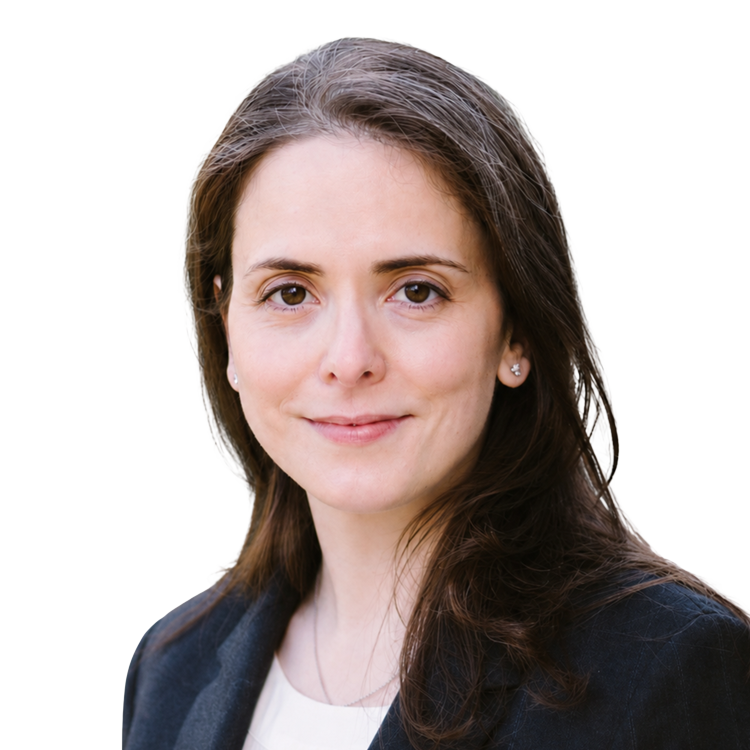
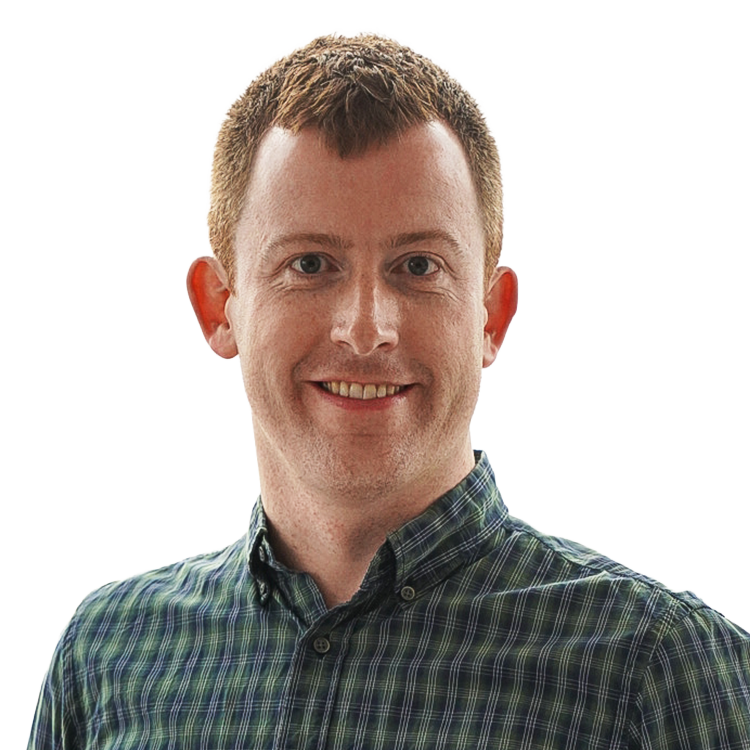
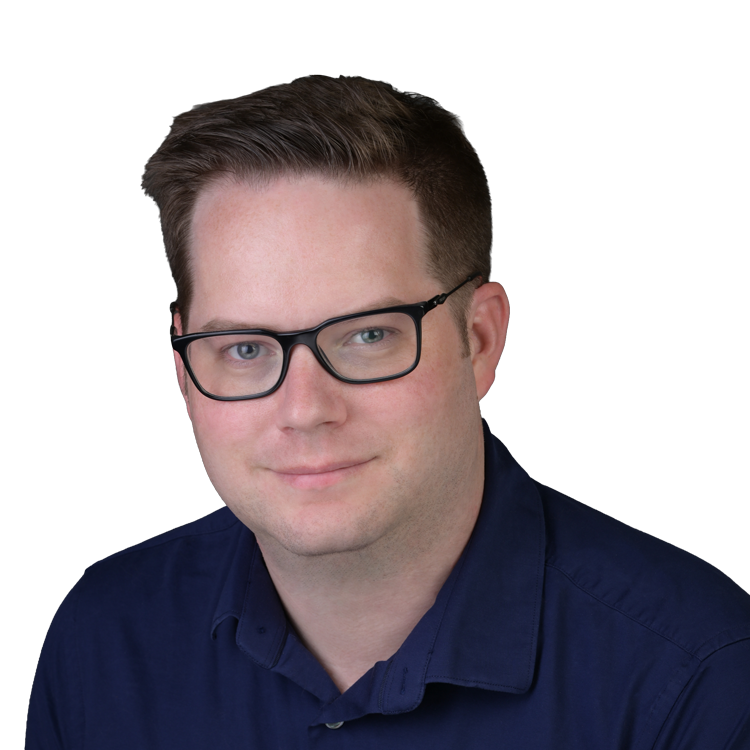
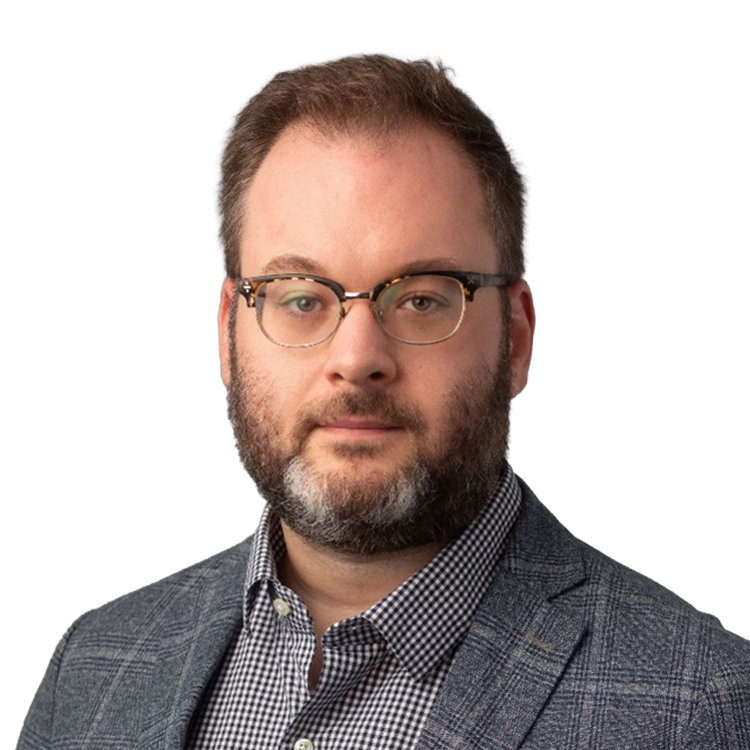
Scientific Steering Committee
Faculty

Agenda

Educational Sessions

4:00 PM – 4:15 PM
Welcome & Opening Remarks
Speakers: Dr. Diego Villa, Dr. Eric Tseng


4:15 PM – 4:40 PM
Keynote: Career reflections by a Canadian hematologist.
Speaker: Dr. Ted Warkentin


4:40 PM – 5:05 PM
CLL: Updates from ASH 2026
Speaker: Dr. Versha Banerji


5:05 PM – 5:30 PM
Thrombosis: Updates from ASH 2026
Speaker: Dr. Miriam Kimpton


5:30 PM – 5:50 PM
HEALTH BREAK


5:50 PM – 6:15 PM
Lymphoma: Updates from ASH 2026
Speaker: Dr. Robert Puckrin


6:15 PM – 6:40 PM
Leukemia: Updates from ASH 2026
Speaker: Dr. Ryan Stubbins


6:40 PM – 7:05 PM
Benign Hematology: Updates from ASH 2026
Speaker: Dr. Michael Scott


7:05 PM – 7:30 PM
Plasma Cells Dyscrasias: Updates from ASH 2026
Speaker:
Dr. Andrew Cowan


7:30 PM – 7:35 PM
Closing Remarks
Speakers: Dr. Diego Villa, Dr. Eric Tseng

7:35 PM – 9:30 PM

Meet your sponsors

Gold Level
Lilly is a global medicine company advancing life-changing treatments across diabetes, obesity, Alzheimer’s disease, immune disorders, and cancer. With nearly 150 years of innovation, its medicines support over 51 million people worldwide, including through its Canadian affiliate established in collaboration with the University of Toronto.
Silver Level
Kite, a Gilead Company, is a global biopharmaceutical company based in Santa Monica, California, with commercial manufacturing operations in North America and Europe. Kite’s singular focus is cell therapy to treat and potentially cure cancer. As the cell therapy leader, Kite has more approved CAR T indications to help more patients than any other company.
Regeneron is a leading biotechnology company that invents, develops, and commercializes life-transforming medicines for people with serious diseases. Founded and led by physician-scientists, our unique ability to repeatedly and consistently translate science into medicine has led to numerous approved treatments and product candidates in development, most of which were homegrown in our laboratories. Our medicines and pipeline are designed to help patients with eye diseases, allergic and inflammatory diseases, cancer, cardiovascular and metabolic diseases, neurological diseases, hematologic conditions, infectious diseases, and rare diseases.
Bronze Level
FORUS Therapeutics Inc. is a newly founded, fast-growing Canadian biopharmaceutical company dedicated to making a profound difference for Canadian patients, health care professionals and caregivers by advancing differentiated novel medicines for hematologic malignancies and other forms of cancer.
At Roche Canada, patients and science are at the heart of everything we do. With our combined strength in diagnostics and pharmaceuticals, we’re driving personalized healthcare forward and adding our expertise in new areas, like artificial intelligence, real world data collection and analysis and collaborating with different sectors and industries.
Bristol Myers Squibb is a global biopharmaceutical company and leader in immuno-oncology and cell therapy, advancing personalized treatments across cancer and other serious diseases. In Canada, the company supports ongoing research and clinical innovation.
BeOne is a global biotechnology company focused on advancing innovative, accessible cancer treatments. Through clinical development programs spanning 40+ countries, the company is working to expand high-quality therapies to more patients worldwide, driven by a commitment to scientific innovation and challenging the status quo.
Research and innovation are the cornerstones of our business. We focus on discovering, developing, and delivering drugs in therapeutic areas where we have proven expertise—and can make an impact. This includes immunology, oncology, neuroscience and virology, women's health, and general medicine.
AstraZeneca is a global biopharmaceutical company focused on advancing treatments in cardiovascular disease, oncology, respiratory disease, and immunology. Operating in over 100 countries, it supports millions of patients worldwide and plays a key role in global clinical trials and research in Canada.

Join us at Kimpton Hotel Fontenot, New Orleans, LA

The CHT@ASH 2026 conference on Friday, December 11.

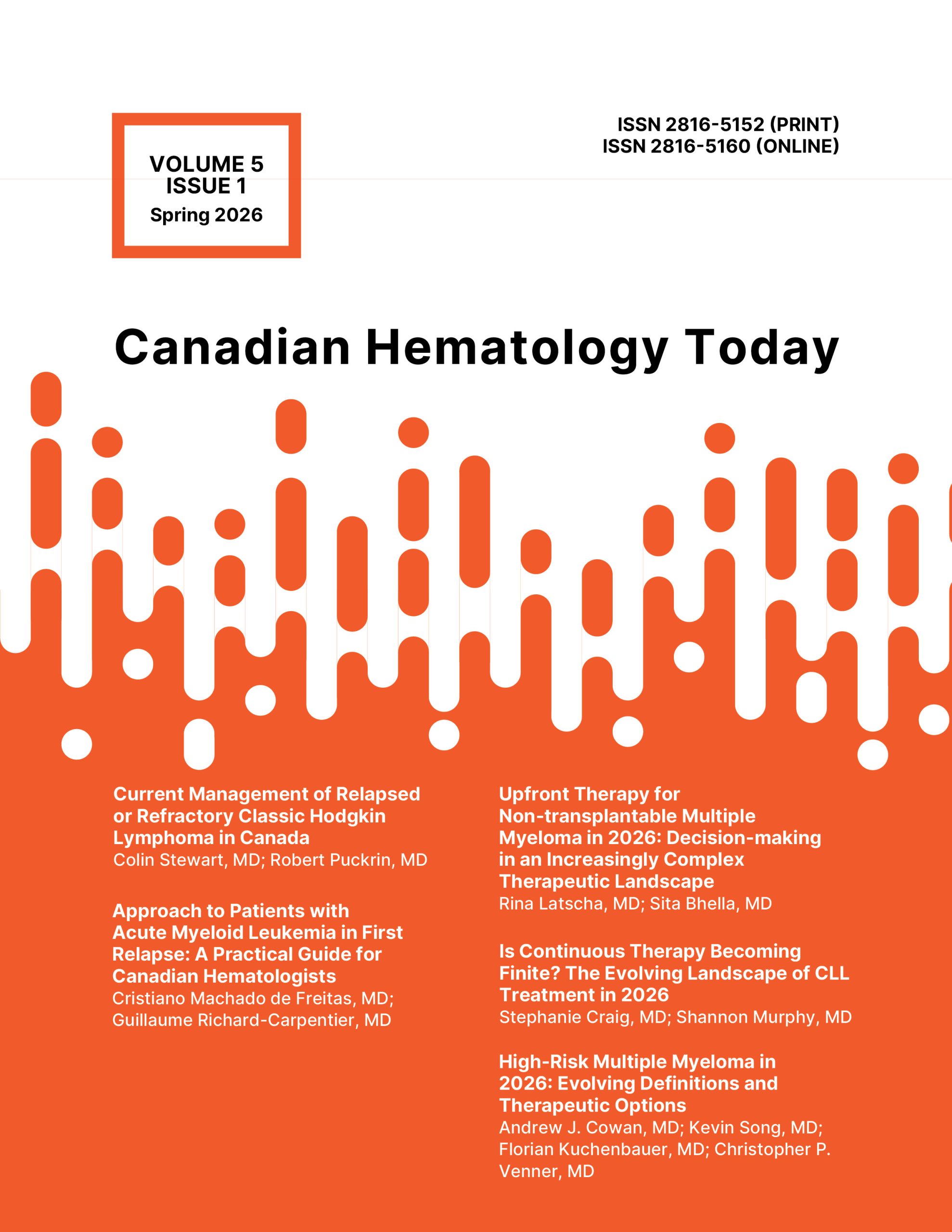
Subscribe to Canadian Hematology Today

Canadian Hematology Today provides a forum for the clinical community to share real-world experience and the latest best practices in the treatment and management of hematologic disease.

The journal is published thrice-yearly in English and is circulated to over 1,100 hematology clinicians and researchers across Canada. It features peer-reviewed articles that present robust clinical perspectives and practical insights into disease management.

About Catalytic Health

Founded in 2009, Catalytic Health is one of Canada’s largest medical education agencies, the largest independent medical publisher in the country, and an industry leader in innovative events and services for the life sciences industry, reaching over 50,000 Canadian clinicians per year with its educational programs, services and platforms. 

© 2026 All Rights Reserved.

Dr. Diego Villa is Clinical Associate Professor at the University of British Columbia and a medical oncologist at the BC Cancer – Vancouver Cancer Center. He is involved in the care of patients with lymphoid malignancies and breast cancer. His research interests include the management of transformed indolent lymphomas, management of mantle cell lymphoma, primary and secondary CNS lymphomas, and the role of PET/CT in aggressive lymphoma. Dr. Villa has ongoing research collaborations with Canadian, American, European, and Australian lymphoma groups. He is also the local principal investigator for various international lymphoma and breast cancer clinical trials open in Vancouver. He actively participates in the teaching of medical students, residents, and fellows at BCCA and VGH, and is the faculty coordinator for the medical oncology rotation at BCCA for the UBC Internal Medicine Residency Program. Dr. Villa is a member of the UBC Medical
Oncology Residency Training Program committee and its Competence by Design subcommittee.

Dr. Eric Tseng is a general hematologist and thrombosis medicine specialist at St. Michael’s Hospital in Toronto. As a clinician-teacher, his focus is implementing postgraduate medical education and competency-based education. He is also interested in teaching about quality improvement and patient safety. Dr. Tseng has a Masters in Health professions education from the University of Toronto and has completed the CQUIPS Certificate Course in quality improvement and patient safety.

Dr. Versha Banerji obtained her MD and residency training in internal medicine and hematology at the University of Manitoba. She then completed a post-doctoral fellowship in translational research at the Harvard Cancer Centre/Dana-Farber Cancer Institute and the Broad Institute of MIT. She is a senior scientist at the CancerCare Manitoba Research Institute, Associate Professor at the University of Manitoba, and a clinician-scientist at CancerCare Manitoba. She co-leads the CLL clinic and is involved in several clinical trials and population-based treatment studies. As co-chair of the CLL research program she manages a multi-disciplinary research team in clinical, fundamental and translational research. Her own laboratory is evaluating mitochondrial bioenergetics and function as a measure of cancer cell metabolism.

Dr. Andrew Cowan is an associate clinical professor at BC Cancer / University of British Columbia, where he specializes in treatment and clinical research on plasma cell disorders. He has an interest and background in early phase cellular therapy and immunotherapy trials, global oncology, and informatics. 

Dr. Kimpton completed a Hematology residency at the University of Toronto and the Adult Thrombosis Medicine fellowship at the University of Ottawa, funded by the CanVECTOR Research Training Award and the Thrombosis Canada-CanVECTOR Research Fellowship. She currently works as a Thrombosis physician at The Ottawa Hospital, an Associate Scientist in the Clinical Epidemiology Program of the Ottawa Hospital Research Institute, and an Assistant Professor in the Faculty of Medicine at the University of Ottawa. She is also Vice-Chair of the Ottawa Health Science Network Research Ethics Board. Dr. Kimpton’s research interests include prophylaxis and treatment of cancer-associated thrombosis, with a special focus on myeloproliferative neoplasms. She is the Principal Investigator of the CIHR-funded AIRPORT-MPN trial, which is assessing the efficacy of low-dose direct oral anticoagulants in patients with myeloproliferative neoplasms.

Dr. Robert Puckrin is a Hematologist and Clinician Investigator at the Arthur Child Cancer Centre and the University of Calgary in Calgary, Canada. His main interests are in lymphoma, stem cell transplantation and cellular therapies, bispecific antibodies, clinical trials, and real-world data.

Dr. Michael Scott is a clinical hematologist at St. Michael’s Hospital (Unity Health Toronto) and Assistant Professor in the Department of Medicine at the University of Toronto. His clinical interests span the breadth of general non-malignant hematology, with a particular focus on immune cytopenias, disorders of iron homeostasis, and porphyria. He is highly involved in teaching and education at all levels, with a Master of Health Professions Education degree from Maastricht University in the Netherlands. 

Dr. Ryan Stubbins is a Hematologist and Transplant/Cell Therapy physician in the Leukemia/BMT program of BC. He previously did his medical school, residency training, a MSc, and hematology/BMT training at the Universities of Saskatchewan, Alberta, and British Columbia. He has performed additional research training at the BC Cancer Genome Sciences

Center and the University of Chicago. He has clinical and research interests are focused on leukemia, rare hematologic diseases, and cellular therapy/CART.

Ted Warkentin, MD, is a hematologist at the Hamilton General Hospital, and Professor Emeritus in the Departments of Pathology and Medicine, at McMaster University (Hamilton, Canada.) His ~40-year career in clinical and laboratory hematology has focused on acquired thrombocytopenia, including HIT, VITT, and DIC resulting in ischemic limb losses. Ted devised the 4Ts scoring system for HIT. He first identified the explanation for Heyde syndrome (association of aortic stenosis with bleeding gastrointestinal angiodysplasia), developed the concept of autoimmune HIT (aHIT), i.e., atypical HIT featuring both heparin-dependent and heparin-independent platelet-activating antibodies, and also reported the first cases of spontaneous HIT (SpHIT), i.e., HIT without proximate heparin exposure. He also helped to identify the novel anti-PF4 disorder, vaccine-induced immune thrombocytopenia and thrombosis (VITT), including the observation that natural infection with adenovirus itself causes VITT (renamed: “virus/vaccine-induced immune thrombocytopenia and thrombosis”). He also identified a novel VITT-like chronic prothrombotic disorder associated with monoclonal gammopathy. More recently, he was the corresponding author on the seminal paper that identified the immunopathogenesis of VITT (featuring a specific acquired somatic mutation, K31E, in an immunoglobulin gene!). Ted has co-edited 5 editions of a book, Heparin-Induced Thrombocytopenia, has authored 115 book chapters and 450 peer-reviewed articles (including 25 reports in the New England Journal of Medicine), and has given almost 1000 lectures to national and international audiences. Dr. Warkentin continues to be active in patient care, research, scientific communication, teaching, and consulting.