Only 50 spots available
Designed for early-in-practice Canadian hematologists.
Limited travel grants available.
Registration closes August 28, 2026
The 2026 Canadian Hematology Today Rising Stars Conference is a dedicated educational forum designed to provide in-depth information about hematologic malignancies and skill-development opportunities tailored to the needs of early-in-practice Canadian hematologists.
Conference Objectives:
Create learning opportunities that enable early-in-practice hematologists to integrate key insights into their practice.
Facilitate knowledge and experience sharing among delegates and representatives.
8:30 – 8:45 AM
Welcome & Opening Remarks
Speaker: Dr. Alissa Visram
8:45 – 9:15 AM
Sponsored Symposium
9:15 – 9:45 AM
FL: Relapsed Disease in 2026
Speaker: Dr. Gwynivere Davies
9:45 – 10:15 AM
LBCL: Treatment and Management in 2026
Speaker: Dr. Isabelle Fleury
10:15 – 10:45 AM
Approach to Hodgkin’s Lymphoma in 2026
Speaker: Dr. Anca Prica
10:45 – 11:00 AM
Networking Break
11:00 – 11:30 AM
Frontline CLL in 2026
Speaker: Dr. Robert Puckrin
11:30 AM – 12:15 PM
Panel Discussion
Speaker: Full Faculty
12:15 PM – 1:00 PM
Lunch
1:00 PM – 1:30 PM
Sponsored Symposium
1:30 PM – 2:00 PM
MPN Treatment and Management in 2026
Speaker: Dr. Dawn Maze
2:00 PM – 2:30 PM
MRD and ctDNA Testing in Hematologic Cancers: Platforms, Pitfalls, and Practical Interpretation
Speaker: TBD
2:30 PM – 2:45 PM
Networking Break
2:45 PM – 3:15 PM
MCL Treatment and Management in 2026
Speaker: Dr. Diego Villa
3:15 PM – 3:45 PM
First-Line Multiple Myeloma in 2026
Speaker: TBD
3:45 PM – 4:15 PM
AML Treatment and Management in 2026
Speaker: Dr. Julie Bergeron
4:15 PM – 4:30 PM
Closing Remarks & Adjournment
Speaker: Dr. Mary-Margaret Keating
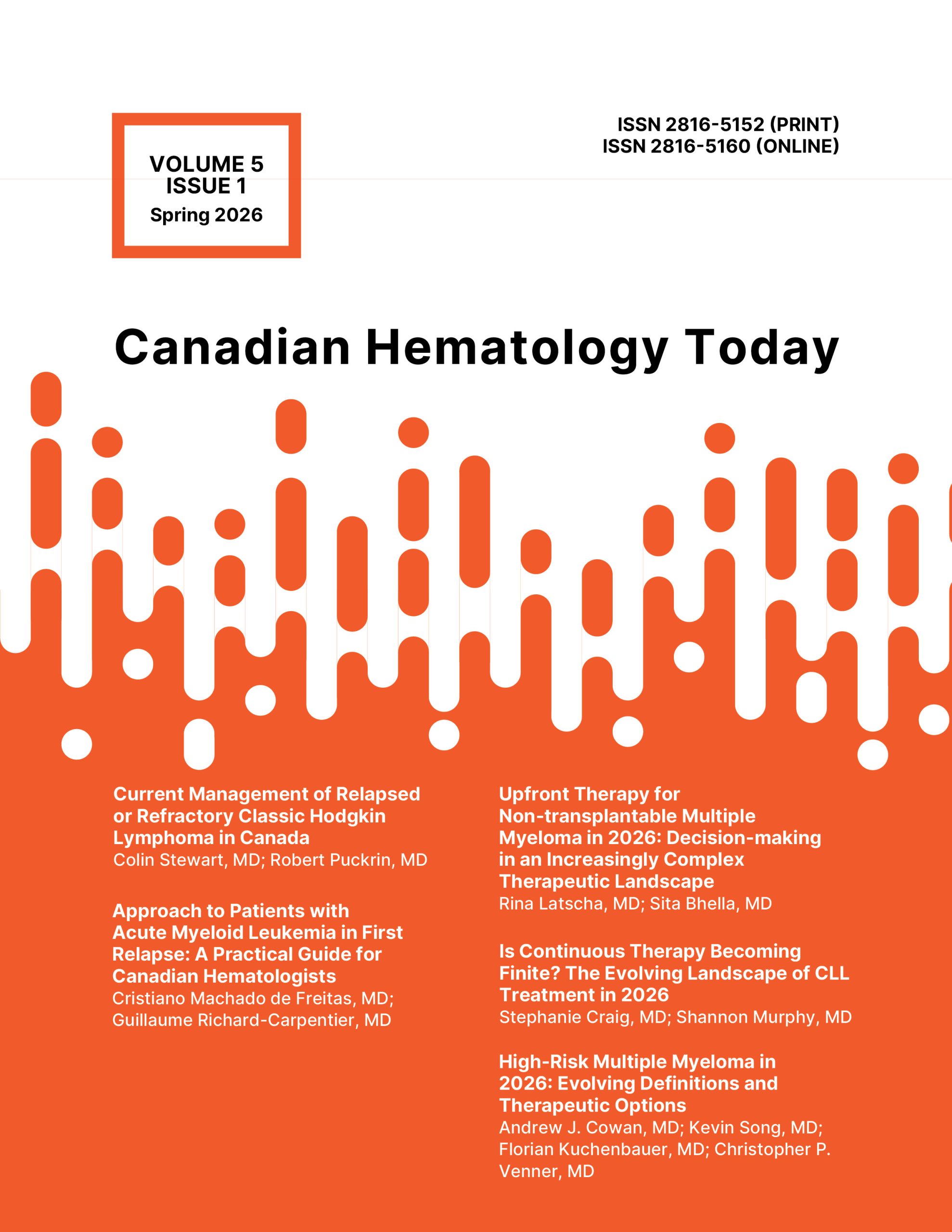
Canadian Hematology Today provides a forum for the clinical community to share real-world experience and the latest best practices in the treatment and management of hematologic disease.
The journal is published thrice-yearly in English and is circulated to over 1,100 hematology clinicians and researchers across Canada. It features peer-reviewed articles that present robust clinical perspectives and practical insights into disease management.
Founded in 2009, Catalytic Health is one of Canada’s largest medical education agencies, the largest independent medical publisher in the country, and an industry leader in innovative events and services for the life sciences industry, reaching over 50,000 Canadian clinicians per year with its educational programs, services and platforms.
© 2026 All Rights Reserved.
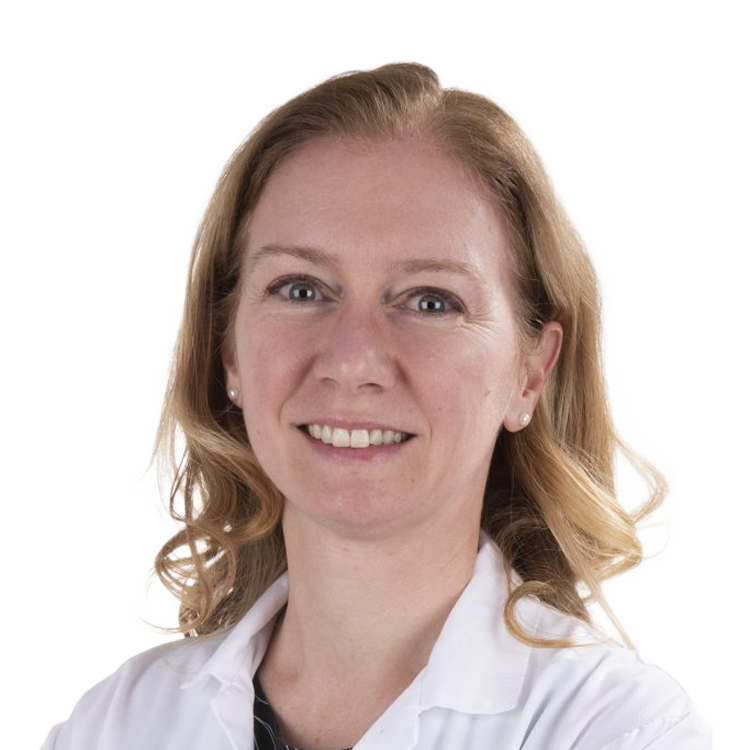
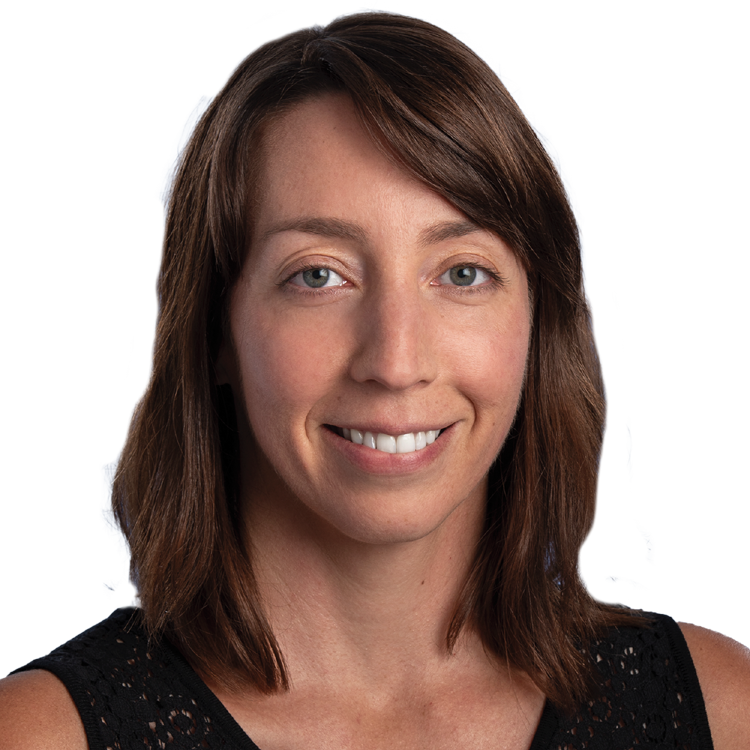
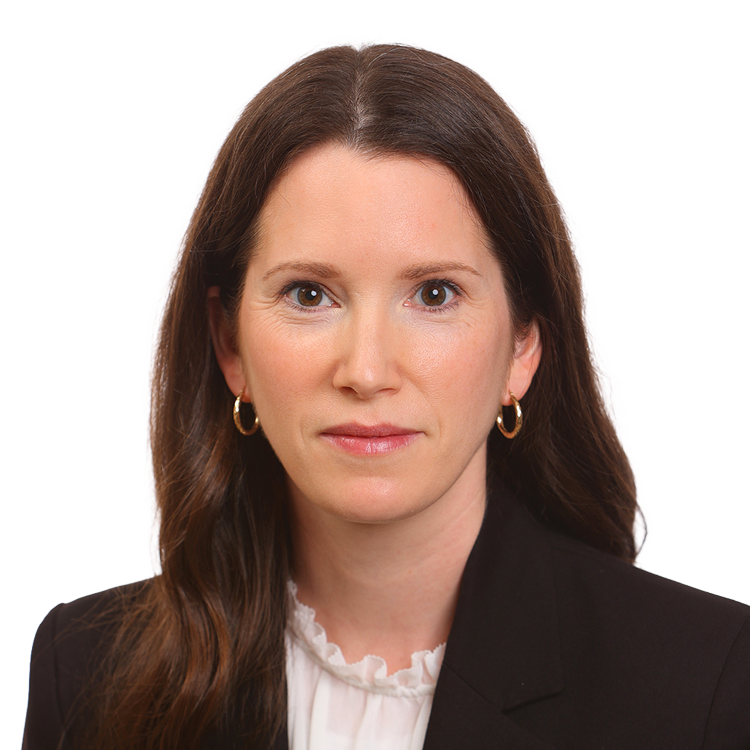
Dr. Mary-Margaret Keating is a hematologist and assistant professor of medicine, in the Division of Hematology at the QEII Health Science Center in Halifax, Nova Scotia. She has a clinical focus in lymphoma and is involved in selecting and overseeing clinical trials for this disease area.
She earned a master’s in medical education from Acadia University and has a passion for teaching medical students, residents and patients. She is the program director for the hematology residency training program and the unit head for the skilled clinician course at Dalhousie Medical School.
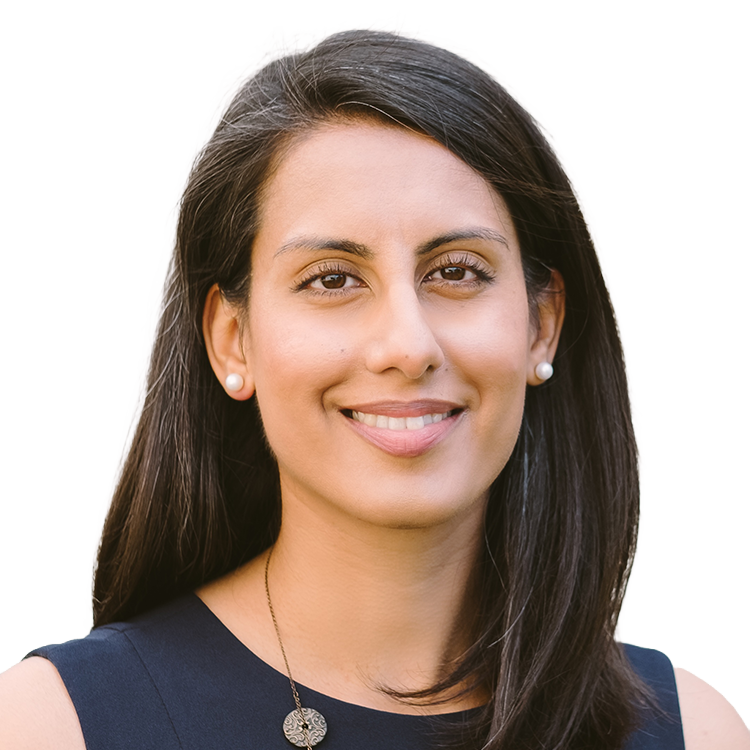
Dr. Alissa Visram is a hematologist at the Hamilton Health Sciences (HHS) and an assistant professor affiliated with McMaster University. She completed her hematology training at Dalhousie University in Nova Scotia, and her subspecialty clinical and research fellowship in plasma cell disorders at Mayo Clinic. Dr. Visram holds a Masters in Public Health and Epidemiology from Harvard University. She joined faculty in Ottawa in September of 2021 as a clinician investigator and transitioned to HHS in 2025. Her clinical research is centered on understanding and improving health outcomes of patients with plasma cell disorders and developing cost-effective and efficacious immunotherapies for patients with multiple myeloma.
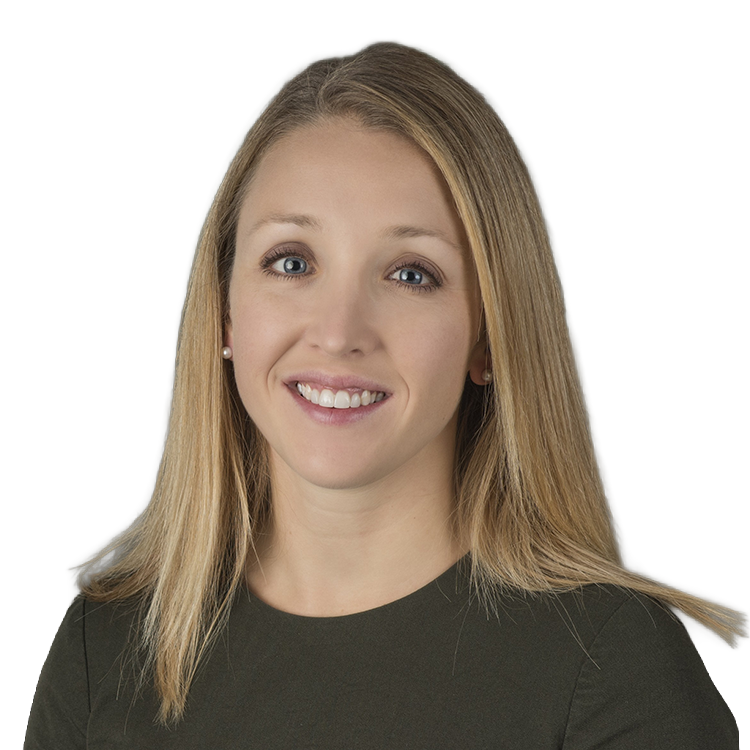
Dr. Julie Bergeron is an Associate Professor of Medicine at the University of Montreal. She works in the Hematology Division at CEMTL, Hôpital Maisonneuve-Rosemont and Institut universitaire d’Hémato-Oncologie et Thérapie cellulaire (IHOT).
After her training in hematology she completed a post doctoral fellowship in Paris at Necker-Enfants-Malades in Molecular Biology of Hematologic Malignancies. Her clinical practice is focused on Acute Leukemias, both lymphoblastic and myeloblastic. She has acted as the site or national PI in multiple clinical trials in the field of Acute Leukemias. She also has a laboratory practice in the Molecular Diagnosis Laboratory and is head of the Hematology Laboratory Service of OPTILAB CHUM.
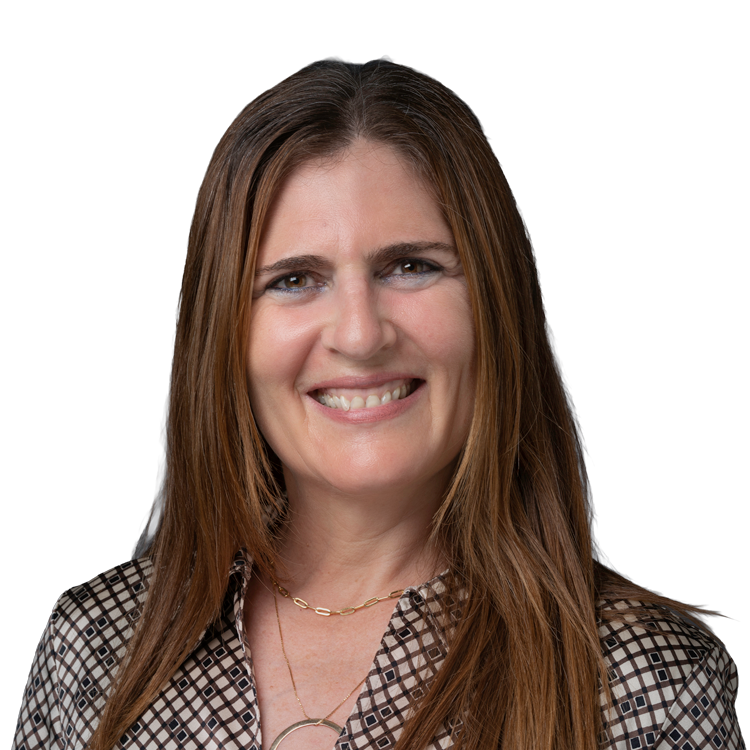
Dr. Gwynivere Davies practices malignant hematology at the Juravinski Hospital and Cancer Centre in Hamilton, Ontario, with a clinical focus on lymphoma and CLL, autologous stem cell transplantation and CAR-T. She is an Associate Professor of Oncology at McMaster University and serves as Division Head of Malignant Hematology and Director of the Lymphoma Fellowship program. Her research centers on the introduction of novel agents in frontline and relapsed/refractory lymphoma, the impact of social determinants of health on lymphoma outcomes, and health services research. Her peer-reviewed grant topics include ICES database research in indolent non-Hodgkin lymphoma and CAR-T knowledge translation, and she has led and co-authored numerous peer-reviewed studies on secondary malignancies and survival outcomes following lymphoma diagnosis and treatments, bispecific antibodies, CAR-T outcomes and toxicities and hematology residency education innovations, maintaining an active publication and presentation record at national and international conferences.
Dr. Diego Villa is Clinical Associate Professor at the University of British Columbia and a medical oncologist at the BC Cancer – Vancouver Cancer Center. He is involved in the care of patients with lymphoid malignancies and breast cancer. His research interests include the management of transformed indolent lymphomas, management of mantle cell lymphoma, primary and secondary CNS lymphomas, and the role of PET/CT in aggressive lymphoma. Dr. Villa has ongoing research collaborations with Canadian, American, European, and Australian lymphoma groups. He is also the local principal investigator for various international lymphoma and breast cancer clinical trials open in Vancouver. He actively participates in the teaching of medical students, residents, and fellows at BCCA and VGH, and is the faculty coordinator for the medical oncology rotation at BCCA for the UBC Internal Medicine Residency Program. Dr. Villa is a member of the UBC Medical
Oncology Residency Training Program committee and its Competence by Design subcommittee.
Dr. Dawn Maze is a clinician investigator at the Princess Margaret Cancer Centre and an Assistant Professor in the Department of Medicine at the University of Toronto. She is a member of the Leukemia Site Group and the Myeloproliferative Neoplasms (MPN) Program and has a clinical research interest in myeloid malignancies. Her primary research focus is in MPN, particularly in risk stratification and management approaches early in the disease course and in the adolescent/young adult population.
She is particularly interested in optimizing pregnancy outcomes in this population. She is also actively involved in clinical trials and projects aiming to refine risk stratification in acute myeloid leukemia. Dr. Maze is an active member of the Canadian MPN Group. She is the Medical Director for the Malignant Hematology Day Unit at Princess Margaret and the Program Director for the Leukemia Fellowship Program.
Dr. Anca Prica is a staff hematologist at Princess Margaret Cancer Centre, and associate professor in the division of hematology at University of Toronto, appointed in 2014. She did her initial medical training in Toronto, and her clinical training in Internal Medicine and Hematology in the University of Toronto Program. She then did a 2-yearfellowship in Malignant Hematology and a Masters in Health Research Methodology at McMaster University, with research interests in quality of life and economic evaluations. Her clinical work focuses in both lymphoproliferative and plasma cell disorders, as well as autologous stem cell transplantation and CAR-T therapy. Her research interests focus on health services research, particularly economic evaluations and decision analyses for oncologic questions, examining resource use and cost of care, as well as toxicity of chemotherapies, and their effects on quality of life and caregiver burden.